

An iterative build. It updates as research lands and as the global Community of Learners corrects us.
The brain is the human weapon system.
Vigil Australia exists to confront blast overpressure and the brain injuries it causes in warfighters, veterans and their families. It is independent and self-funded: no fees, no grants, no commercial ties.
Vigil did not begin as a communications platform. It began inside the Australian Defence Force, where efforts to push this issue through the system did not produce the required response. When the Royal Commission into Defence and Veteran Suicide interim report contained none of the inside work on blast exposure, it became clear this could not remain a private effort. When the research was not available in Australia, it had to be found elsewhere: in the United States, the United Kingdom, Canada, New Zealand, Israel, Ukraine and NATO. That is still where much of the serious work is happening. Vigil exists to connect Australia to it.
Vigil is not a charity, not a welfare service, and receives no funding of any kind: no grants, no contracts, no commercial arrangements. It operates entirely independently. Independence is not a marketing claim. It is the operating model, because this issue crosses institutional boundaries that most organisations cannot cross.
The journey began with blast. As understanding deepened, the focus widened to brain health. It has now settled where the evidence leads: the brain as the human weapon system.
Our Founder served 27 years in the Australian Defence Force. Former Tactical Assault Group commander, with sustained service in high-readiness counter-terrorism. Operational service across multiple theatres with Australian Special Forces.
Later led Diggerworks, the Australian Army's soldier capability development program, shaping how the system equips and protects its warfighters, not just observing it from outside.
Co-led the University of Melbourne team that won the Map the System competition and placed second at the global final, hosted by the Skoll Centre for Social Entrepreneurship at the University of Oxford's Saïd Business School, for work on a social impact organisation focused on premature infants. The social-impact approach behind Vigil predates Vigil, and has been tested against international standards.
Inside experience. Proven in capability. Tested in social impact. Built from inside the system. Independent by design.
- Not a charity, and not seeking donations.
- Not a clinic, and not providing clinical care.
- Not a lobby group, and not aligned with any political party.
- Not a research institute, and not issuing diagnoses.
- Not a veteran service organisation, and not duplicating ESO functions.
- Not funded by Defence, DVA, or any commercial sponsor.
Vigil exists to translate, connect, and hold the line. Nothing more, nothing less.
We are intervening too late.
Start with the framing. The brain is the human weapon system. Militaries invest heavily in platforms, munitions, equipment and force protection. The central operating system inside all of that is the human brain: attention, judgement, decision-making, memory, emotional control, adaptation under stress, recovery. Protecting it is part of military effectiveness, not a soft add-on.
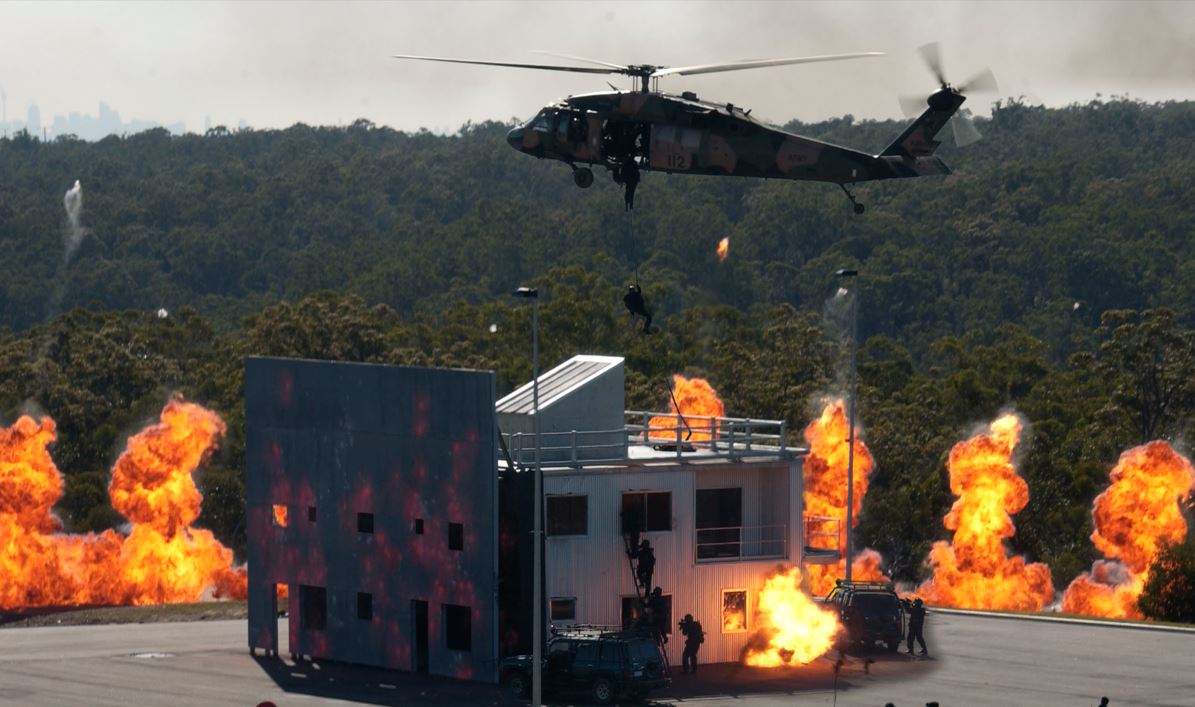
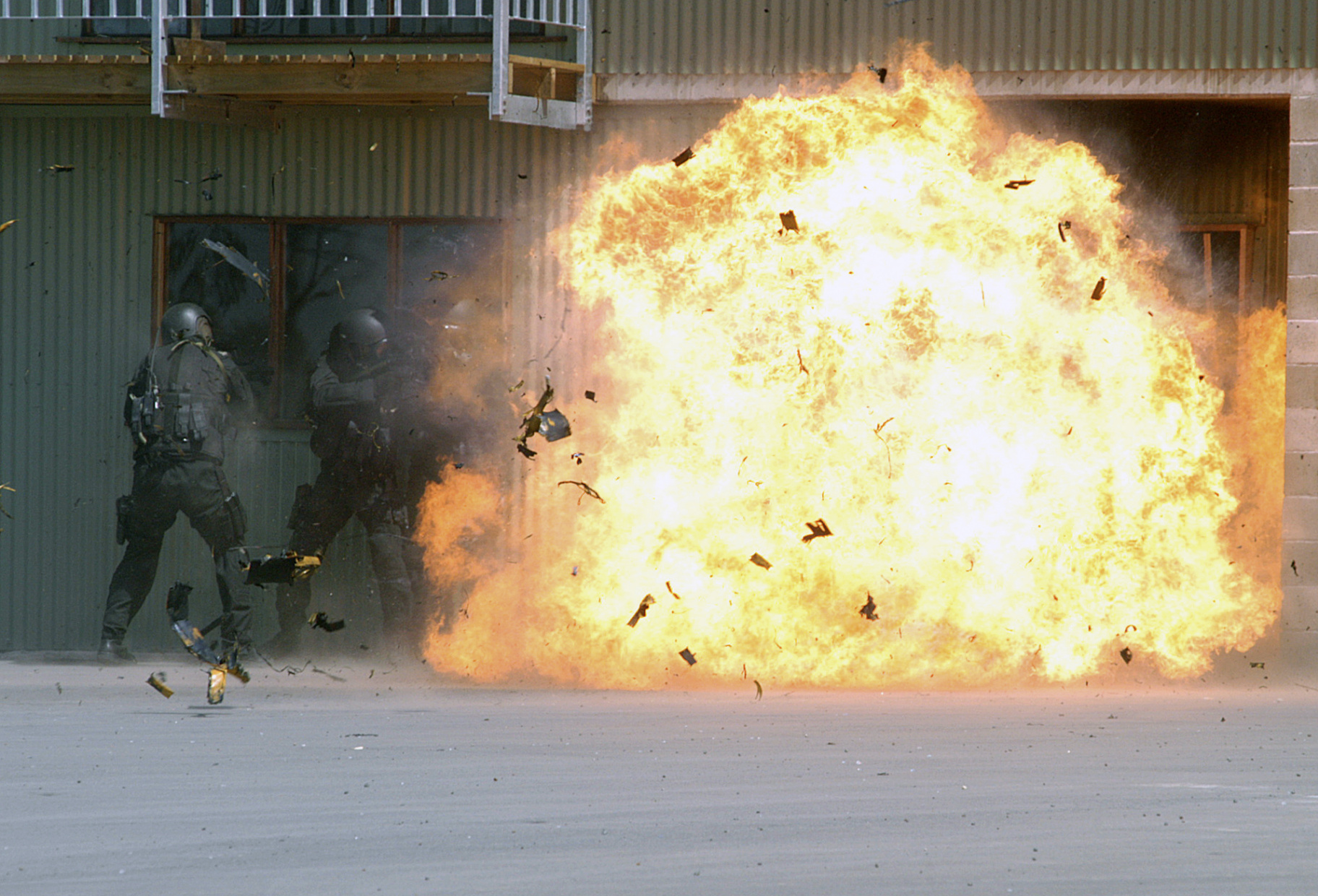
Blast Overpressure (BOP) is the pressure wave generated by the discharge of weapons, breaching charges and munitions. For modern military forces, exposure is occupational and cumulative, built across thousands of repetitions over a career, not only in single catastrophic events.
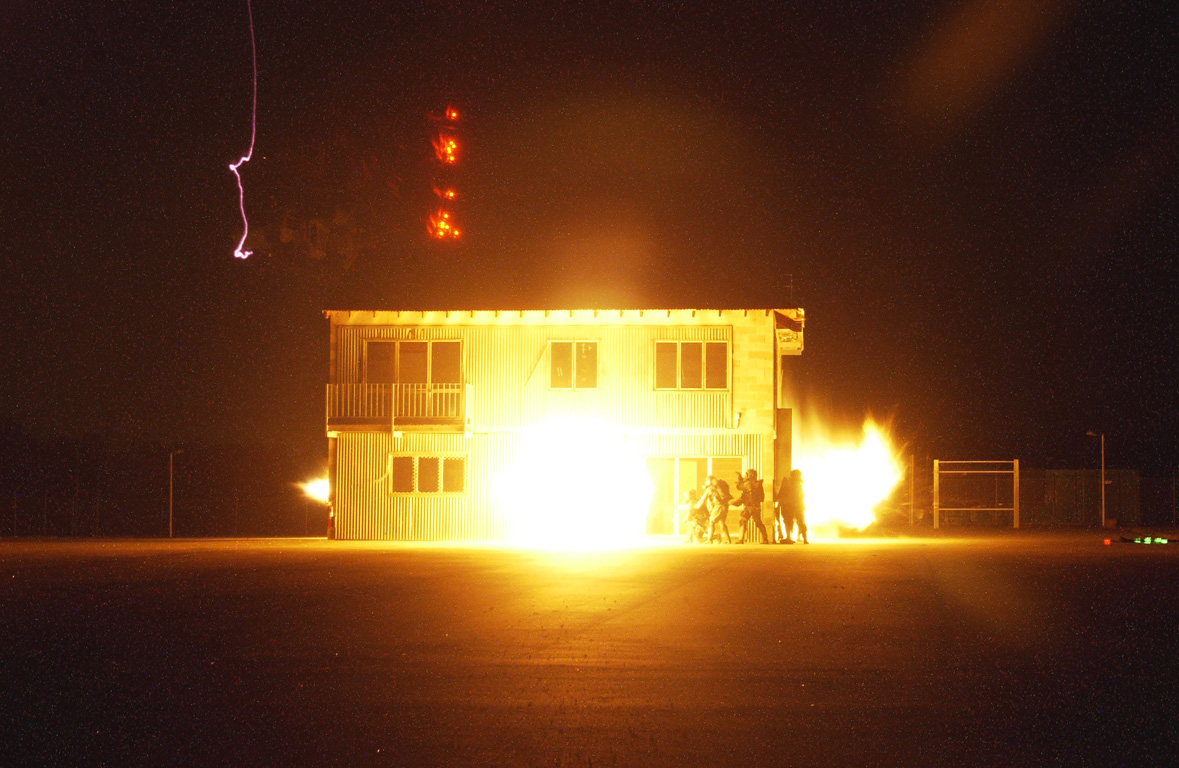
Australia had early warning. The ADF blast gauge trial in Afghanistan from 2012 to 2013 (Project CEREBRO) recorded 1,474 blast events from 4,513 sets issued and found potentially harmful blast effects in both operational and training activity. Once the force posture changed, most recorded events were linked to training. This was never only an IED story. Most exposure sits in training: the special-forces warfighter, the clearance diver, the breacher, the gunner, the sniper, the sapper, the instructor. Repetitive. Cumulative. Largely preventable.
Blast-induced TBI has long been called the signature wound of Iraq and Afghanistan. Having served in both, the evidence points elsewhere. It is the signature wound of training.
The problem is not that nothing is being done. The issue is that the understanding has not translated clearly enough to the people who need it most. Australia does not lack activity, international access or technical capability. It lacks an integration function with sufficient authority to align what already exists.
Blast-related brain injury does not always look the way people expect. It may not involve a single incident. It may not look like a concussion. Instead, it can show up as slower thinking, poor sleep, headaches, irritability, memory loss, balance problems, mood shifts, or changes in behaviour and performance. It is often there. It is just not always recognised.
These are not undetectable injuries. They are invisible because we have not been looking. And when we do look, we find them. Correctable. Addressable. Preventable.
The field does not lack evidence. It lacks shared meaning.
This is not only a medical problem. It is a personnel, capability, recruiting and retention problem. The consequences extend beyond the individual. Families are often the first to see what systems are the last to name. Children grow up inside the long tail of what the system failed to catch.
Career-long occupational exposure, not isolated events.
Below clinical thresholds, above zero. The middle is where the burden sits.
Records, screening and policy lag the underlying evidence.
The work did not start in 2024. It started long before the cameras arrived.
The Australian story on blast exposure has a longer arc than the recent public coverage suggests. The signals were visible almost forty years ago. The translation into a national response is still catching up.
This timeline is condensed. It exists to make one thing clear: the issue is not new, the warnings were not absent, and the evidence has been accumulating in plain view.
- 1674International benchmark
Les Invalides — France
Commissioned by Louis XIV in 1670 and opened in 1674 as a hospital and retirement home for wounded and elderly soldiers. The first national infrastructure built around the long-term care of those harmed in service.
- 1992
Repat General Hospital, Hobart closes
Closed and transferred to the Tasmanian State Government on 30 June 1992.
- 1992International benchmark
U.S. Traumatic Brain Injury Center of Excellence (TBICoE)
Established to unify TBI health care across the U.S. military system, advance the science for the warfighter, and lead translation of brain-health research into operational practice.
- 1993
Bundoora Repatriation Hospital (Victoria) closes
Closed in October 1993.
- 1993
Repat General Hospital, Concord transferred to NSW
Transferred to the NSW public system on 31 December 1993; now operating as Concord Hospital.
- 1994
Repat Hospital, Kenmore (Queensland) closes
Closed in 1994.
- 1994
Repat General Hospital, Hollywood (Perth) privatised
Transferred to Ramsay Health Care on 5 April 1994, transitioning to Hollywood Private Hospital.
- 1994
Repat General Hospital, Heidelberg (Melbourne) transferred to Victoria
Transferred to the Victorian public system on 31 December 1994; now integrated with Austin Health.
- 1995
Repat General Hospital, Greenslopes (Brisbane) privatised
Privatised and transferred to Ramsay Health Care in January 1995; now operating as Greenslopes Private Hospital.
- 1995
Repat General Hospital, Daw Park closes as a Repat hospital
Daw Park ceases operating as a Repatriation hospital and is transferred to the South Australian public system in 1995, ending Australia's network of dedicated Repat hospitals. The site continues to operate as a public hospital before its eventual closure as an acute facility in 2017.
- 2008International benchmark
James A. Haley VA — PREP, Tampa (USA)
The Post-Deployment Rehabilitation and Evaluation Program is established at James A. Haley VA at the height of the Global War on Terror. Begins as a 2-week program, expands to 3 weeks, and is later extended across all VA polytrauma centers.
- 2009International benchmark
Home Base — Boston (USA)
Red Sox Foundation and Massachusetts General Hospital launch Home Base to provide clinical care, education and research on the invisible wounds of war for veterans and their families.
- 2010International benchmark
National Intrepid Center of Excellence (NICoE) — Bethesda (USA)
NICoE opens at Walter Reed as headquarters for the Defense Intrepid Network for TBI and Brain Health, providing comprehensive interdisciplinary care for TBI and related psychological-health conditions. Later extended through the Intrepid Spirit satellite centers.
- 2012–2013
Afghanistan — Project CEREBRO
ADF/DARPA blast gauge trial run during Australia's Afghanistan deployment. 4,513 blast gauge sets issued. 1,474 blast events recorded (68 suspected false events). Most harmful exposures occurred during non-operational training, not combat.
- 2013
Rosenfeld & McFarlane Lancet paper
Australian researchers publish on blast-related TBI in The Lancet. Funding withdrawn shortly after. The data was not built on.
- 2016
Exercise CHONG JU blast trials
Limited-scope blast trials conducted. Findings stayed inside the system.
- 2016–2019
Iraq — Task Group Taji V
Australian training teams exposed to repeated blast from systems they were instructing on. No exposure data captured. Some personnel later present with permanent neurological damage.
- 2017International benchmark
Marcus Institute for Brain Health (MIBH) — Colorado (USA)
MIBH opens at the Anschutz Health and Wellness Center to provide comprehensive care for mild-to-moderate TBI and associated psychological-health conditions in active service members, veterans and first responders.
- 2017
CHONG JU report and CEREBRO revisit
The 2016 CHONG JU results land internally. The realisation: Australia is harming its own people in training. CEREBRO data is revisited. A request to Defence Science and Technology for a longitudinal weapon-effects study, modelled on the U.S. CONQUER team, is declined.
- 2017
2014 CEREBRO brief to Deputy Chief of Army cannot be found
Diggerworks is unable to locate the 2014 Project CEREBRO brief to then Deputy Chief of Army, MAJGEN Peter Gilmore. There is no evidence of any actions or decisions arising from 2014.
- 2017
Diggerworks input to brief for Deputy Chief of Army
LTGEN Rick Burr is to be briefed on blast overpressure and repetitive low-level exposure from friendly weapon systems. Diggerworks' input draws on CEREBRO (2011) and Chong Ju (2016) and asks for a clinical and research partner to take the work forward. No partner is funded.
- 2017
Repat General Hospital, Daw Park closes
Australia's last major dedicated repatriation hospital closes to public patients in November 2017 after 75 years of service. Patients are transferred to other facilities; the site is later repurposed as the Repat Health Precinct.
- 2018International benchmark
Defence and National Rehabilitation Centre (DNRC) — Stanford Hall (UK)
DNRC officially gifted to the nation in June 2018, replacing Headley Court as the UK's primary military rehabilitation centre. Capacity for up to 300 personnel. Includes a specialised, state-of-the-art wing for treating traumatic brain injuries (TBI) and complex trauma. A separate NHS National Rehabilitation Centre is being built on the same site, expected operational 2026.
- 2019
Diggerworks effort ceases
Responsibility for the issue is handed to Defence Work Health and Safety. Continuity and ownership are lost.
- 2020
$50M TBI Mission
Australia’s $50 million Medical Research Future Fund TBI Mission is launched. Veteran and military-specific blast exposure is not prioritised.
- 2022
Royal Commission interim report
The interim report of the Royal Commission into Defence and Veteran Suicide contains no mention of blast overpressure or blast-related TBI.
- 2023
Internal SOCOMD breaching trial
Special Operations Command runs an internal breaching trial. Limited public visibility.
- 2024
FOI lodged to surface the 2017 brief
After the Royal Commission interim report makes no mention of blast or blast-related TBI, Defence is asked to provide the 2017 brief to the Commission. Defence declines. The author (Vigil Founder) lodges an FOI so the material can be put before the Commission.
- 2024
Royal Commission Final Report
Recommendation 61 calls for a brain injury program. Accepted only “in principle.” Still unfunded at the time of writing.
- 2024
Chief of Army on 60 Minutes
On national television, the Chief of Army acknowledges Defence has known about the blast/TBI issue since 2011.
- 2025
FOIs confirm no tracking
Freedom of Information requests confirm Defence and DVA have not captured suicide or TBI data linked to Employment Category Number (trade). The Australian Institute of Health and Welfare is unaware of the link and has not been provided the data. The formal response: “the documents do not exist.”
- 2025
Fifth ADF blast trial
A fifth ADF blast-exposure trial is underway. Approximately 30 SOCOMD soldiers involved. Limited impact relative to the scale of the problem.
- 2025
CEREBRO FOI denied
A Freedom of Information request for the underlying Project CEREBRO data is denied on national security grounds.
- 2025
Defence refuses: “documents do not exist”
After roughly a year, Defence refuses the 2017 brief FOI under section 24A. The search had used the wrong term.
- 4 June 2025
Defence and DVA Brain Injury Expert Advisory Panel — first meeting
DVA and Defence convene the inaugural Brain Injury Expert Advisory Panel to consider prevention, identification, monitoring and treatment of brain injuries in serving and ex-serving members.
- 5 November 2025
Defence and DVA Brain Injury Expert Advisory Panel — second meeting
Second meeting of the Expert Advisory Panel. Discussion includes the UNSW rolling literature review on repetitive low-level blast and Five Eyes engagement.
- 2026
DVA low-level blast literature review
DVA-led literature review on low-level blast exposure underway.
- 2026
Defence blast overpressure study (TBC)
A further Defence blast overpressure study is signalled. Scope, methodology and timing to be confirmed.
- 2026
Internal review: input released, brief still not produced
On internal review, the correct search term is run. Defence releases the author's 2017 input email, partially redacted. The brief to the Deputy Chief of Army itself, referenced in Defence's own earlier release, is not produced.
- 21 May 2026
Defence and DVA Brain Injury Expert Advisory Panel — third meeting
Third meeting of the Expert Advisory Panel. Vigil is invited as an observer.
Exposure over time. Not injury at a point in time.
Clinical and compensation systems are largely built around an identifiable event. A person sustains an injury, the injury is assessed, severity is classified, the diagnosis is linked back to a cause. That model fits a clear concussion, a penetrating brain injury, a documented explosive blast injury.
Blast exposure does not always behave that way. For many warfighters, exposure is repeated weapons firing, breaching, mortars, artillery, shoulder-fired weapons, training serials in enclosed or reflective environments, and years in high-risk roles. No single exposure may produce a recognised injury. The cumulative load may still become relevant to brain health, performance and symptom burden.
Event-based systems need incident reports, clinical signs and diagnostic thresholds. Exposure-based systems need dose, frequency, weapon system, distance, firing position, environment, recovery interval, role history and longitudinal follow-up. They are different questions. They require different data.
The question is no longer only "did this person sustain a diagnosable injury on this date". It is also "what exposure has this person accumulated across a career".
That distinction changes the policy question, the data required, and the language Vigil uses to describe the problem.
Different mechanisms. Different lanes. Same words used loosely.
Researchers use one set of terms. Clinicians use another. Compensation systems use another again. Veterans and families are often left trying to make sense of all three. The wrong word can pull a real exposure problem into the wrong framework.
These are working definitions, not doctrine. The aim is to stop different mechanisms, exposures and outcomes being treated as if they are the same thing.
Pressure waves from weapons, breaching, munitions. Repetitive, cumulative, often training. This is the BiTBI lane.
Contact and combat sport impacts. Linked to TES, probable CTE, CTE-NC, dementia pugilistica. Not the same mechanism as blast.
PTSD, complex PTSD, moral injury. Distinct from brain injury. Frequently overlap. Should not be collapsed into one label.
- Blast exposure
- Being exposed to the effects of an explosion or weapons-generated pressure wave. Not the same as injury.
- Blast Overpressure (BOP)
- The rapid increase in atmospheric pressure caused by an explosion or weapon system. The measurable physical input.
- Low-level blast (LLB)
- Lower-intensity blast pressure waves, typically below thresholds for acute blast injury or diagnosed TBI.
- Repetitive low-level blast (rLLB)
- Repeated exposure to low-level blast pressure waves over time. The central concept in this work.
- Cumulative blast dose
- Emerging concept describing total exposure across time: frequency, intensity, duration, proximity, recovery interval.
- BETS / GBEV
- Blast Exposure Threshold Survey and Generalised Blast Exposure Value. Tools to record and weight lifetime exposure history. Not diagnostic.
- Brain health hazard
- Umbrella frame including blast, impact, recoil, vibration, noise and muzzle gas as occupational risks to brain health.
- Military occupational blast and impulse exposure (MOBE)
- Occupational exposure to blasts, predominantly low-level and subconcussive, that accrues across a service member's career through weapons training, explosive breaching, combat and other duties. Role-based and cumulative: occupation is used as a proxy for lifetime blast load, not a measured per-person dose.
- Blast injury
- Any injury caused by an explosion. Subdivided into primary, secondary, tertiary, quaternary. Too broad for the brain health problem alone.
- TBI
- Traumatic Brain Injury. Injury to the brain caused by external force. Classified mild, moderate or severe by clinical markers.
- Mild TBI / concussion
- Limited loss or alteration of consciousness, amnesia, or mild Glasgow Coma Scale finding. An event-based clinical model.
- Moderate–severe TBI
- Longer loss of consciousness, abnormal imaging, structural injury or significant neurological impairment. Already recognised in clinical and compensation systems.
- BiTBI
- Blast-induced Traumatic Brain Injury. Mechanism-based, not severity-based. Spans mild to severe, combat and training, single event and cumulative exposure.
- PTSD
- Trauma-related mental health condition. Not a brain injury. Frequently overlaps with TBI and complicates diagnosis.
- Complex PTSD
- Trauma response to chronic or prolonged exposure, with disturbances in emotional regulation, self-concept and relationships.
- Moral injury
- Psychological, ethical or spiritual harm from acts or events that violate deeply held beliefs, including institutional betrayal. Distinct from PTSD and TBI.
- RHI
- Repetitive Head Impact. Repeated impacts to the head, primarily contact and combat sport. Not the same mechanism as blast.
- TES
- Traumatic Encephalopathy Syndrome. A clinical research construct in living people. Does not confirm CTE.
- CTE / CTE-NC
- Chronic Traumatic Encephalopathy and its neuropathological change. Confirmed only after death. Primarily associated with repetitive head impact, not blast.
- Dementia pugilistica
- Older boxing-related term. Not an appropriate default category for cumulative blast exposure.
Mechanism, not severity.
Earlier work used blast-induced mild TBI. The wording pulled the issue back into the concussion model, an event, a clinician's assessment, a Glasgow Coma Scale finding. Most blast exposure does not behave like that.
BiTBI is mechanism-based. It covers mild, moderate and severe injury. It covers combat and training. It covers single high-level blast events and, where evidence supports it, cumulative exposure. It does not replace existing diagnoses. It keeps the blast mechanism visible.
Three domains. Distinct. Often overlapping.
This does not mean every veteran has all three. It means these three domains can overlap and amplify each other. Keeping them separate improves assessment. Collapsing them into one label does not.
Threat and trauma response. A mental health condition, not a brain injury.
Ethical or institutional rupture. Distinct from PTSD and from BiTBI.
Physical brain effects from blast exposure. Mechanism-based across severity.
These definitions are drawn from Vigil's working paper The Problem Is Exposure: Toward a Global Ontology for Blast-related Brain Injury.
What the literature actually says, and what it does not.
Blast-related brain effects are not only about symptoms. The literature describes possible mechanisms including vascular injury, axonal injury, glial activation, neuroinflammation, blood-brain barrier disruption, altered neuronal excitability and metabolic dysfunction.
Interface Astroglial Scarring (IAS) has been described in some blast-exposed military brains. It is astroglial scarring at tissue-density interfaces, grey-white matter boundaries, perivascular regions. It is not CTE. It is not present in every blast-exposed person. It is not a clinical test for living veterans. Its relevance is narrower and more specific: it supports the argument that blast may produce injury patterns distinct from repetitive head impact.
Biomarkers and advanced imaging are emerging tools, not settled answers. TBICoE notes that blood-based biomarkers and advanced neuroimaging may eventually assist clinicians, but are not yet widely available for routine clinical use. Research tools may help explain mechanisms; clinical assessment still needs history, symptoms, function and context.
The DVA-commissioned rapid review (Heslop, Fortington & Gardner 2026) summarises the honest position: biological plausibility and association are supported by the evidence. Causality and validated exposure thresholds are not yet established. That is not a reason to ignore exposure. It is a reason to record it properly.
Multiple biological mechanisms are described in the literature and supported by animal and post-mortem evidence.
Repeated low-level blast is associated with symptom burden and functional change in exposed populations.
No validated injury threshold for cumulative low-level blast in humans. Research is active. Policy must move without waiting for certainty.
Translation, connection, and an independent line of sight.
Vigil is part of a growing global community working on warfighter brain health: researchers, clinicians, warfighters, veterans, families and policymakers who share evidence, test ideas and move the field forward together.
The work began by listening. By attending the forums, asking what was known, and bringing the answers back. Over time it moved from attending to contributing: collecting original data, presenting findings, and co-leading international workshops at the interface of warfighters, research and policy. That progression reflects how serious communities of learners work: the standing is earned, not claimed.
In practice, the work means three things.
First, translation. Taking research, evidence and allied lessons and moving them into language that policymakers, commanders, clinicians and families can act on. The science has matured. The translation has not kept pace.
Second, connection. When a warfighter needs help, Vigil connects them to the right clinician. When a researcher needs to understand what allied programs are doing, Vigil makes the introduction. When a family is trying to make sense of what they are seeing, Vigil points them somewhere useful. When someone in one country needs guidance, Vigil identifies the equivalent in another. The network is global. The connections are direct. There are no referral fees and no commercial arrangements behind any of it.
Third, holding the line. Because Vigil takes no fees and no commercial funding, it can cross institutional boundaries, follow the evidence rather than the funder, and call weak framing when it appears. It is not anti-institution. It resists drift, minimisation and performative concern that avoids the real issue.
Vigil engages with the leading allied brain-health programs and forums: the United States Warfighter Brain Health effort, TBICoE, USSOCOM human-performance work, the King's Centre for Military Health Research in the United Kingdom, the Canadian Institute for Military and Veteran Health Research, NATO HFM panels, and Israeli registry work. Vigil presents at and participates in international forums including the Special Operations Medical Association, the Military Health System Research Symposium, and blast-sensor and brain-health working groups across allied nations. The work has contributed to concrete policy outcomes in Australia, informed parliamentary and policy processes, and operates directly alongside Special Forces and high-risk military communities across allied nations.
Nothing here is done alone. The role is to connect and translate, not to pronounce.
- 01
Translate
Research and evidence distilled for the people who set policy, command forces and treat patients.
- 02
Connect
Warfighters, veterans, families, clinicians and researchers brought into the same conversation across borders.
- 03
Hold the line
An independent voice that does not depend on any institution to keep speaking.
Specific work, in plain language.
Vigil avoids vague claims of impact. The work that has accumulated around blast exposure and warfighter brain health in Australia is the product of many people across many institutions. Vigil's specific contributions are listed here so others can verify, challenge or build on them.
Collected original data and presented findings at international forums on blast exposure and warfighter brain health, alongside warfighters, researchers and policymakers.
Co-led workshops at the interface of warfighters, research and policy across the United States, United Kingdom, Canada and NATO settings.
Public-facing fact sheet on blast exposure and brain health, developed with specialists to make the issue legible to veterans, families and clinicians.
Contributed to the Dementia Australia page on Blast-induced traumatic brain injury, a practical attempt to name the issue inside an existing public health channel.
Submissions and engagement with the Royal Commission into Defence and Veteran Suicide. The interim report did not contain the inside work on blast exposure. That gap is part of why Vigil exists.
Engagement with the Repatriation Medical Authority process, and direct exposure to the classification problem when cumulative blast exposure does not fit existing event-based categories.
Briefings into parliamentary and policy processes. Translation work for senators, advisers, departmental staff and clinicians who need the issue in their own language.
Sustained engagement with US Warfighter Brain Health, TBICoE, USSOCOM POTFF, KCMHR, CIMVHR, NATO HFM panels and Israeli registry teams. Reciprocal, Australia learns from them, and contributes back.
Vigil's recent and upcoming engagements.
Vigil has presented to allied military medical, scientific and special-operations communities, and continues to engage allied forums into 2026. The full scripts and slide decks are not public. The abstracts below describe what was, or will be, put on the table at each event.
- April 2025
NATO HFM-338 Working Group
Allied scientific and military working group on low-level blastVigil presented Australia's position to NATO's working group on low-level blast: a 13-year history of trials without a single national exposure standard, no longitudinal cognitive baseline across the ADF, and no system to log individual dose. The talk drew the line from RAND's 2008 Invisible Wounds report, through Project CEREBRO's 1,474 recorded blast events in 2012–13, to the Royal Commission's 2024 Recommendation 61, accepted only “in principle.” Vigil argued that NATO's work, not Australian Defence policy, is now the practical reference point for Australian thresholds, and called for a JIEDDO-style coalition response to the cognitive threat.
- May 2025
SOMA — Brain Health Track
Special Operations Medical AssociationVigil presented the first independently gathered Australian dataset on Repeated Blast Exposure and mTBI in Special Operations: 187 anonymous responses from SOF and tactical-law-enforcement operators, breachers, snipers and instructors, more than the combined total of the previous four ADF blast-exposure trials. The talk walked through symptom clusters, years of cumulative exposure, and operator priorities for education and mitigation. It was framed not as a study but as a frontline signal report from a community filling the gap left by formal systems.
- May 2025
IFBIC
International Forum on Blast Injury Countermeasures, JapanVigil presented remotely to IFBIC, arguing the forum should evolve from a bilateral U.S.–Japan science exchange into the global convening authority for blast injury countermeasures. The talk pointed to the same week's diary collision — IFBIC, SOMA, SOF Week and the Boston TBI/PTSD conference all running in parallel — as evidence of a coordination gap nobody currently owns. Vigil offered Australia's SOF Bridges survey and the SOCOMD breaching reforms that followed IFBIC 2024 as proof that translation from forum to function is possible, and called for harmonised calendars, shared SOPs on thresholds and return-to-duty, and the inclusion of coroners, clinicians, veterans and families in IFBIC's remit.
- September 2025
Mac Parkman Foundation Summit
Athlete and warfighter brain-health summitVigil bridged the warfighter and athlete conversations: invisible, cumulative, often-denied injuries that present similarly across SOF, contact-sport athletes, and youth on the playing field. The session drew on the SOF Bridges survey, six weeks embedded with NICoE, MIBH and Home Base, and the Australian timeline of recognised-but-unactioned warnings going back to 2008. The argument: cognitive protection is the next frontier of force protection, and the U.S. policy architecture — thresholds, baselines, exposure logging — is what Australia must adapt rather than re-invent. At the summit, Vigil was named the Mac Parkman Foundation’s International Advocate of the Year.
- October 2025
MABS27
27th Military Applications of Blast SymposiumVigil presented “Training Blast Overpressure: Exposure, Symptoms, Governance,” anchored on a finding the room could act on: most of the dose is not coming from combat, it is coming from training, and training is controllable. The talk used 182 self-reported responses to map exposure sources, symptom clusters across cognitive, vestibular, mood, endocrine and gut-autonomic domains, and operator preferences for education and mitigation. The framing was deliberate: this is a governance problem before it is a medical one, and the path forward is banded thresholds (daily, monthly, career) paired with logs, wearables and command decision points.
- October 2025
AMMA
Australasian Military Medicine Association annual conferenceVigil's AMMA address shifted the conversation from brain injury to brain health: exposure, not just symptoms; families as the frontline, not an afterthought; and a list of things clinicians can do now in the aid post, cognition, vestibular, sleep, mood, endocrine, exposure history. The talk drew a sharp line between blast exposure and CTE, made the case for the U.S. 4 psi figure as a governance trigger rather than an injury line, and closed with the position Vigil now operates from: the brain is the human weapon system.
- April 2026Withdrawn
National Suicide Prevention Conference 2026
ICC Sydney — Poster Session 1Abstract accepted: Understanding blast exposure and mTBI in military Special Forces, implications for suicide prevention. Vigil withdrew from the conference. The underlying work, connecting cumulative blast exposure, mTBI and suicide risk, continues through Vigil's other 2026 forums.
- June 2026Confirmed
Imperial College London — Blast and Conflict Injury Conference 2026
Imperial College London, Centre for Blast Injury StudiesRepetitive Blast Exposure in Training: Australian Occupational Signal Data Within an Allied Governance Challenge. Vigil presents independent Australian data on training-related BOP burden and symptom prevalence in high-risk roles, and argues for treating cumulative training blast as a managed occupational risk, not just a measurement problem, through governance that links logging, clinical pathways and family-informed history.
- June 2026Confirmed
Veteran Brain Health Symposium — University of Nottingham
University of Nottingham, in collaboration with the University of BirminghamThe Challenges of Veteran Brain Health and In-service Exposures: Advocating for Systematic Change. Invited 20-minute presentation on 11 June 2026, followed by an academic and stakeholder roundtable on 12 June. Vigil's contribution frames in-service exposure as the upstream system problem and makes the case for governance reform connecting measurement, clinical pathways and family-informed history.
- August 2026Pending
MHSRS 2026 — TBI / Blast Session
US Military Health System Research Symposium — Sustaining Brain Health Readiness Against Emerging Threats in the Operational EnvironmentCumulative Blast Overpressure Exposure in Australian Special Operations Forces and Its Implications for Warfighter Brain Health Readiness. Submitted abstract reporting independent Australian SOF data on lifetime exposure by weapon system, training context and service length, and associated neurological and functional indicators. The findings make the case for occupational stratification, cross-national comparison with U.S. efforts, and exposure-informed governance as a readiness, not just a health, issue.
- October 2026Confirmed
CIMVHR Forum 2026 — Workshop
Canadian Institute for Military and Veteran Health Research, Forum 2026From Blast Exposure to Brain Health: Building a Coordinated Translational Framework. Veteran-led, internationally co-developed workshop with Australian leadership. Structured discussion, not formal presentations, on gaps in exposure measurement, diagnostics, longitudinal monitoring and family impact, aimed at a coordinated roadmap that bridges lived experience and technical capability for service members, veterans and their families.
A trusted introductions network.
Vigil's most recent innovation is a deliberate way of connecting innovators (those with new technology, new research or new clinical thinking) to a small, international community of learners across Defence, military medicine, research, applied engineering and veteran-focused groups in Australia, the United States, Canada and the United Kingdom.
Each introduction is curated and framed carefully: no endorsement, no commission, no commercial angle. The goal is to put work in front of people who can test it, challenge it, or recognise where it might fit, and to do that in a way that respects both the innovator and the people receiving it.
The network is reciprocal. People in it are expected to engage honestly, push back where needed, and only carry things forward if they see real utility. Vigil typically steps back once a useful conversation has started.
Every introduction is targeted to a small cross-section who may genuinely see a use.
Vigil presents the work; the community of learners decides whether it has merit.
Vigil takes nothing for connecting people. The integrity of the lane matters more than any single technology.
Innovators are framed honestly. Recipients are trusted to test, challenge, or pass.
Same words. Different purposes. Different outcomes.
Definitions in this field are not failing because people are careless with language. They are failing because the systems that hold the language were built for different jobs.
Clinical systems classify diagnosis. Compensation systems classify entitlement. Military systems manage exposure and readiness. Research systems test mechanisms. Those purposes overlap. They are not the same. A term that is precise inside one system can be imprecise, or actively misleading, in another.
The Australian experience makes the problem visible. When Vigil looked for a clear, usable Australian framework for cumulative blast exposure, there was not one. The recognised categories (concussion, moderate to severe TBI, explosive blast injury, PTSD, dementia pugilistica) each have a role. None provides a complete framework for blast exposure across training and combat, across severity, and across time.
Once the language of blast-induced mild TBI was used inside the Repatriation Medical Authority process, the issue was pulled toward the concussion model, an event-based frame. When cumulative exposure did not fit that model, it risked being redirected toward dementia pugilistica, an older boxing-related category that does not describe the blast mechanism. This is one national illustration of a classification failure that is visible across multiple jurisdictions.
Definitions are not a side issue. They determine which framework decides someone's care.
The exposure is shared. The response should be too.
Blast does not stop at a border or care what flag sits on a shoulder. For decades, Australian, American, British, New Zealand and Canadian warfighters have trained together, fought together and carried the same occupational burdens. The community working on this problem crosses those same lines.
The community working on this problem includes warfighters, veterans, families, clinicians, researchers and policymakers across Australia, the United States, the United Kingdom, Canada, New Zealand, Israel, Ukraine, the Netherlands, Belgium and NATO partners. It also includes tactical police communities, where blast exposure from breaching, flashbangs and repetitive training creates the same occupational burden. It is not a membership organisation. It is a network built on credibility, discretion and a common standard of evidence.
Families sit inside this community because the consequences of blast exposure do not stop at discharge and do not stop with the individual. Families absorb the impact long before institutions notice it. They are not the problem. They are an underutilised asset, and they deserve to be part of the conversation from the beginning, not as an afterthought. Children grow up inside these consequences too.
If you are a warfighter, a veteran, a family member, a clinician, a researcher or a policymaker dealing with this problem, Vigil can connect you to the right people.
Selected appearances and coverage.
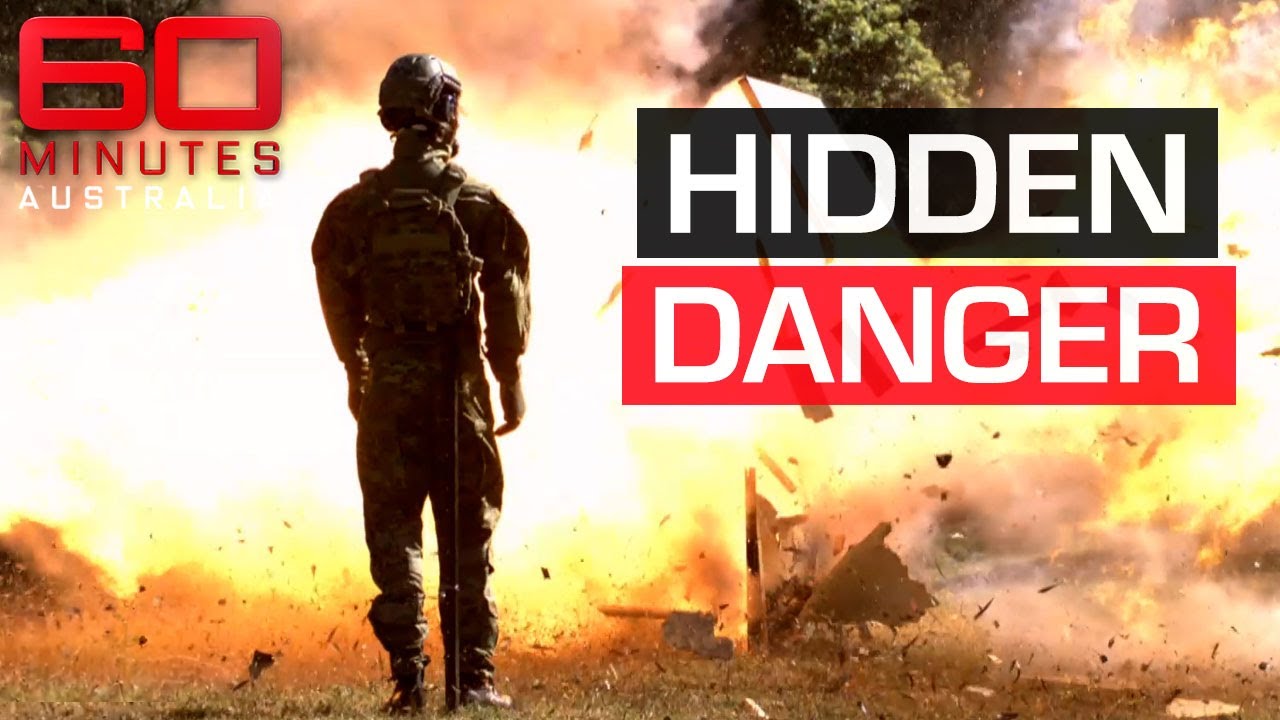
- VideoVigil featured60 Minutes AustraliaSeptember 2024National broadcast on blast exposure, brain injury and warfighter health.
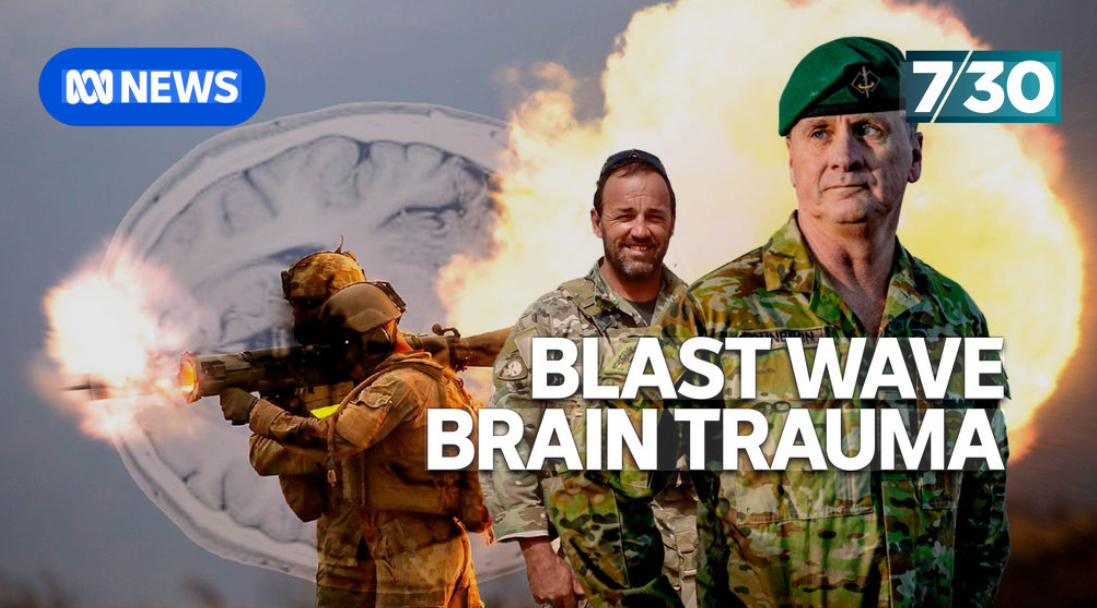
- VideoVigil featuredABC — Television and Online2024–2025Australian broadcast and digital coverage including ABC 7.30. Blast overpressure, warfighter brain health and the gap in policy response.
- VideoVigil featuredITV — United Kingdom2025International broadcast coverage examining blast exposure and brain health across allied forces.







The exposures behind the evidence.
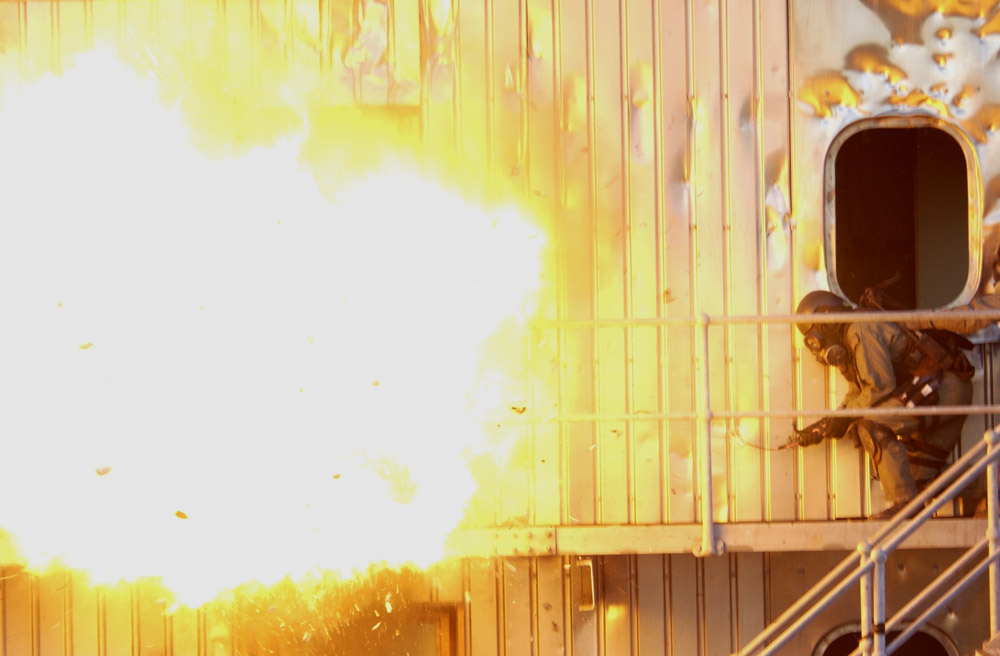
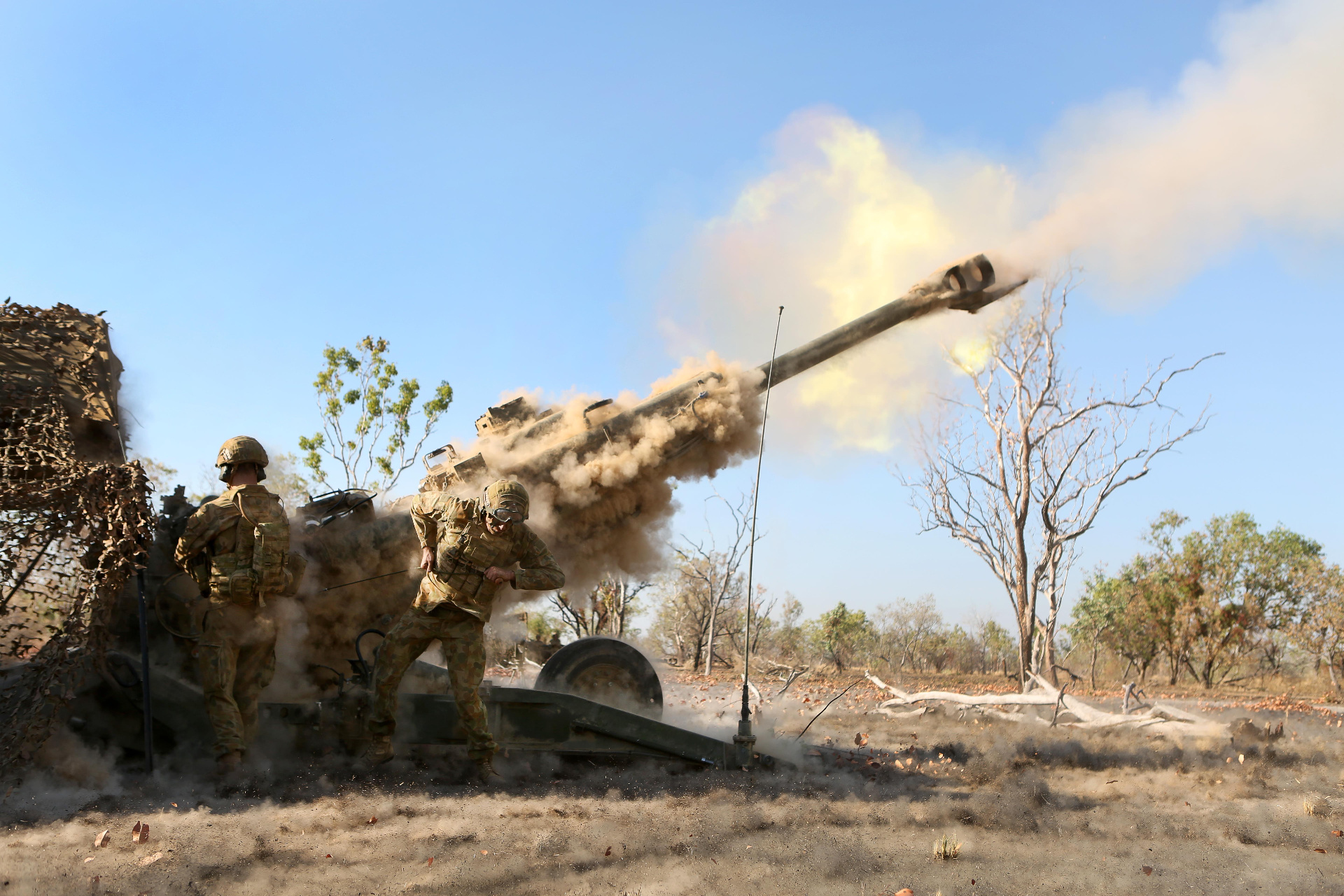
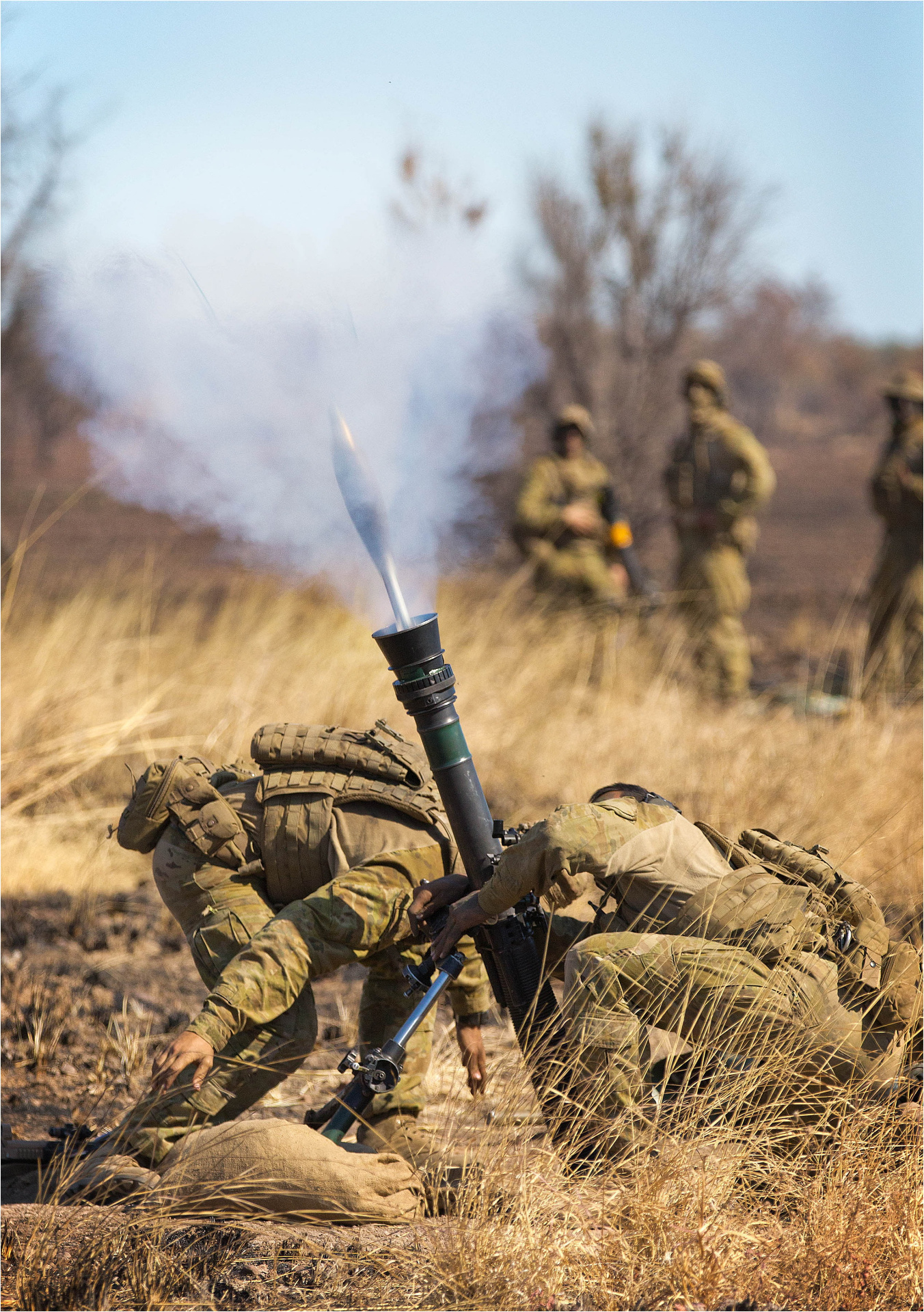
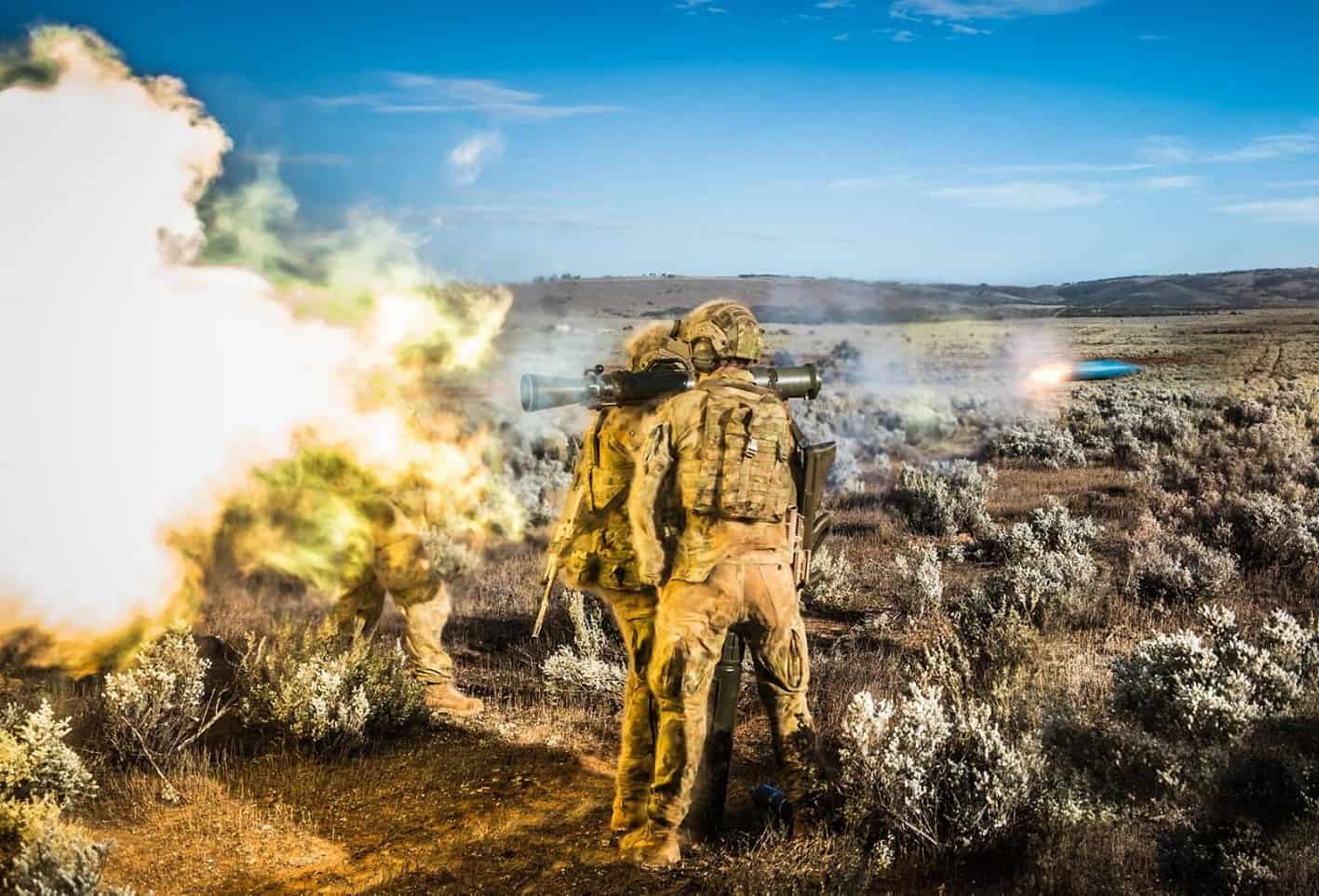
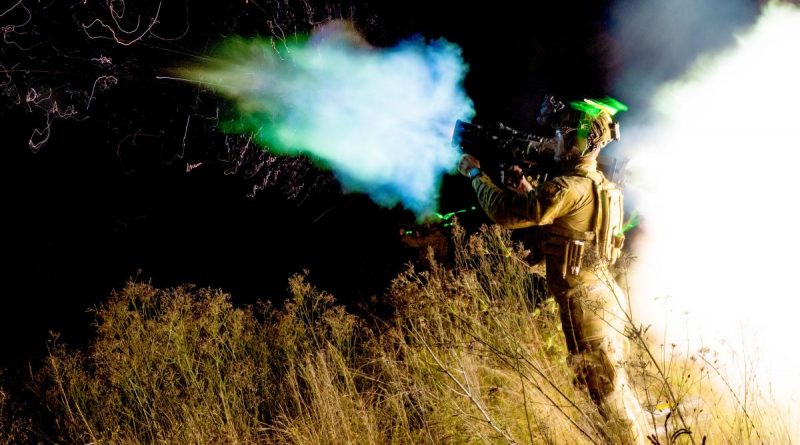
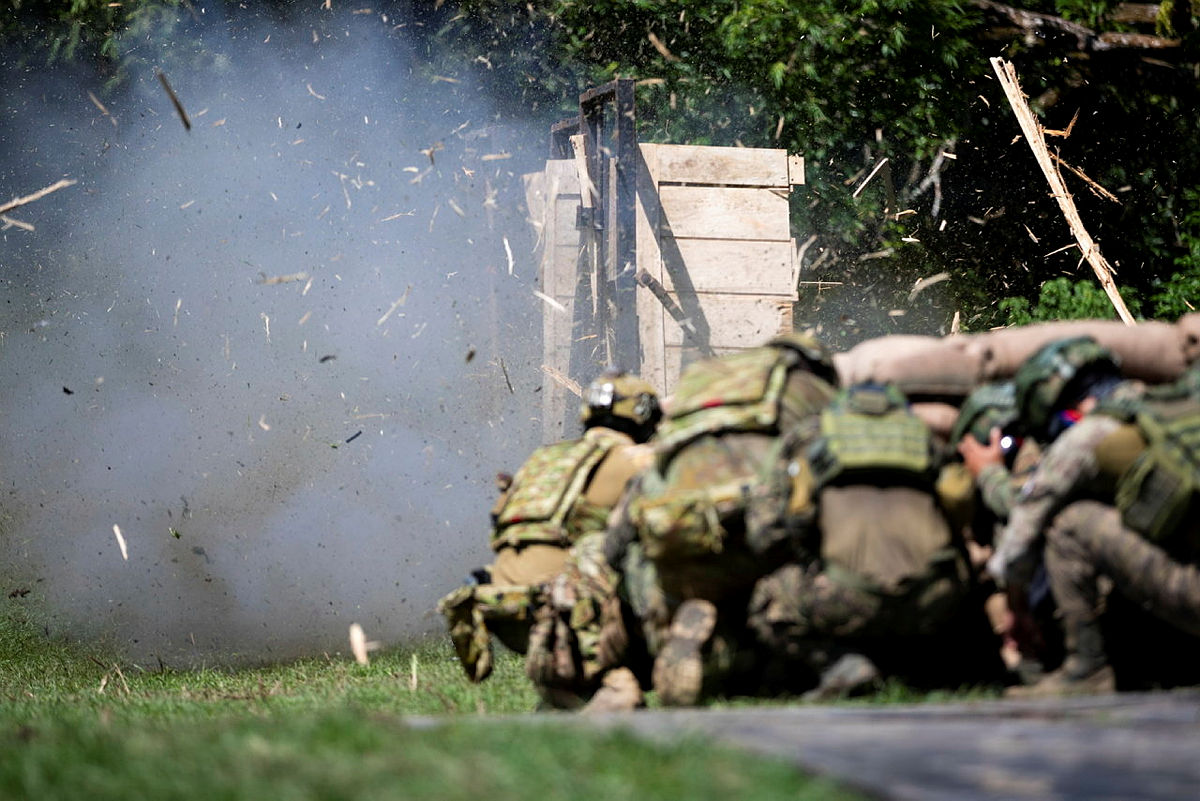
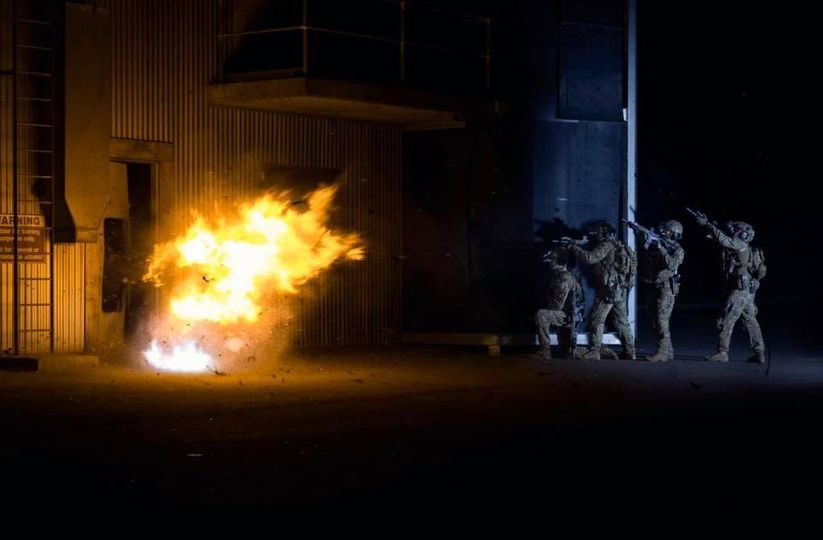
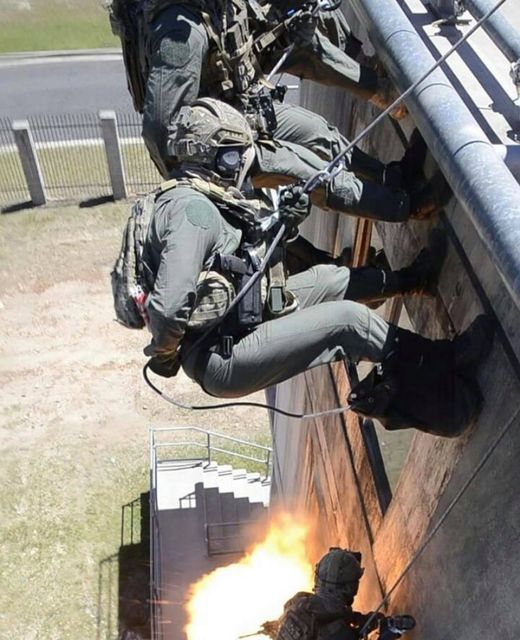
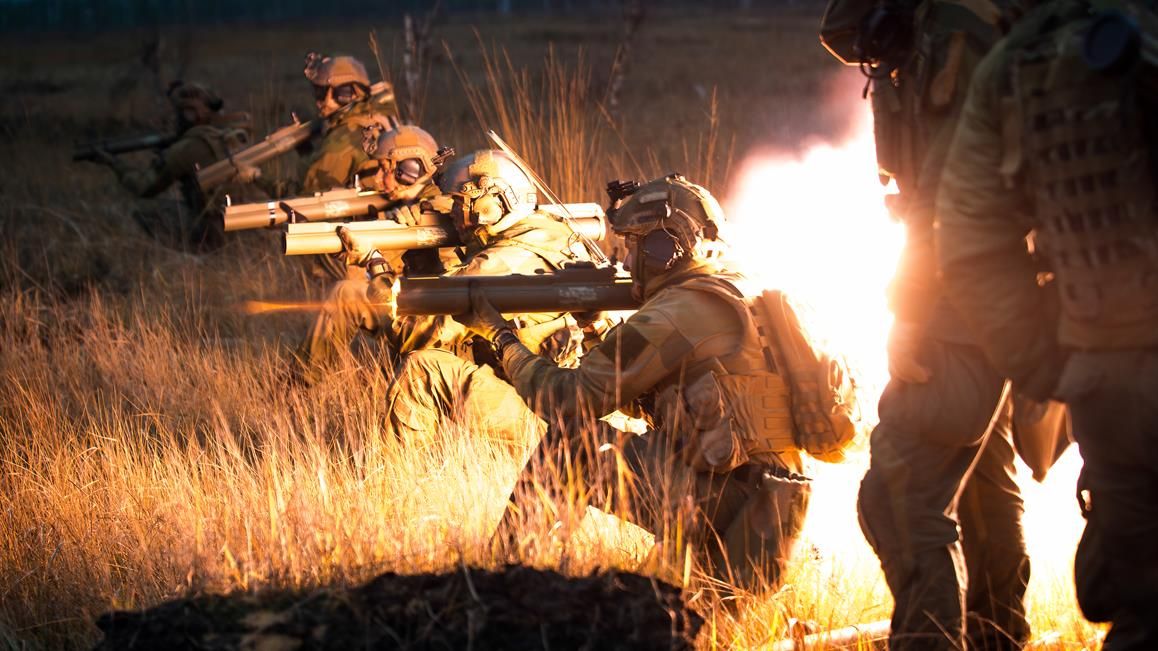
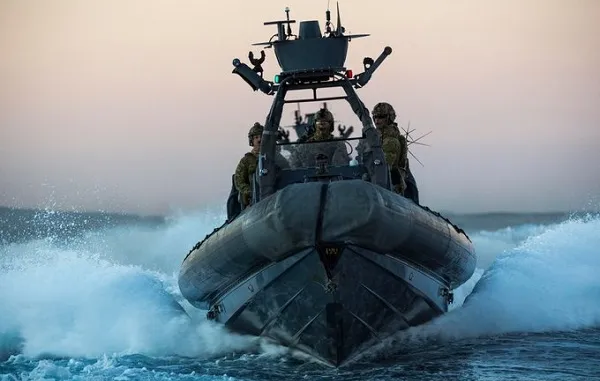
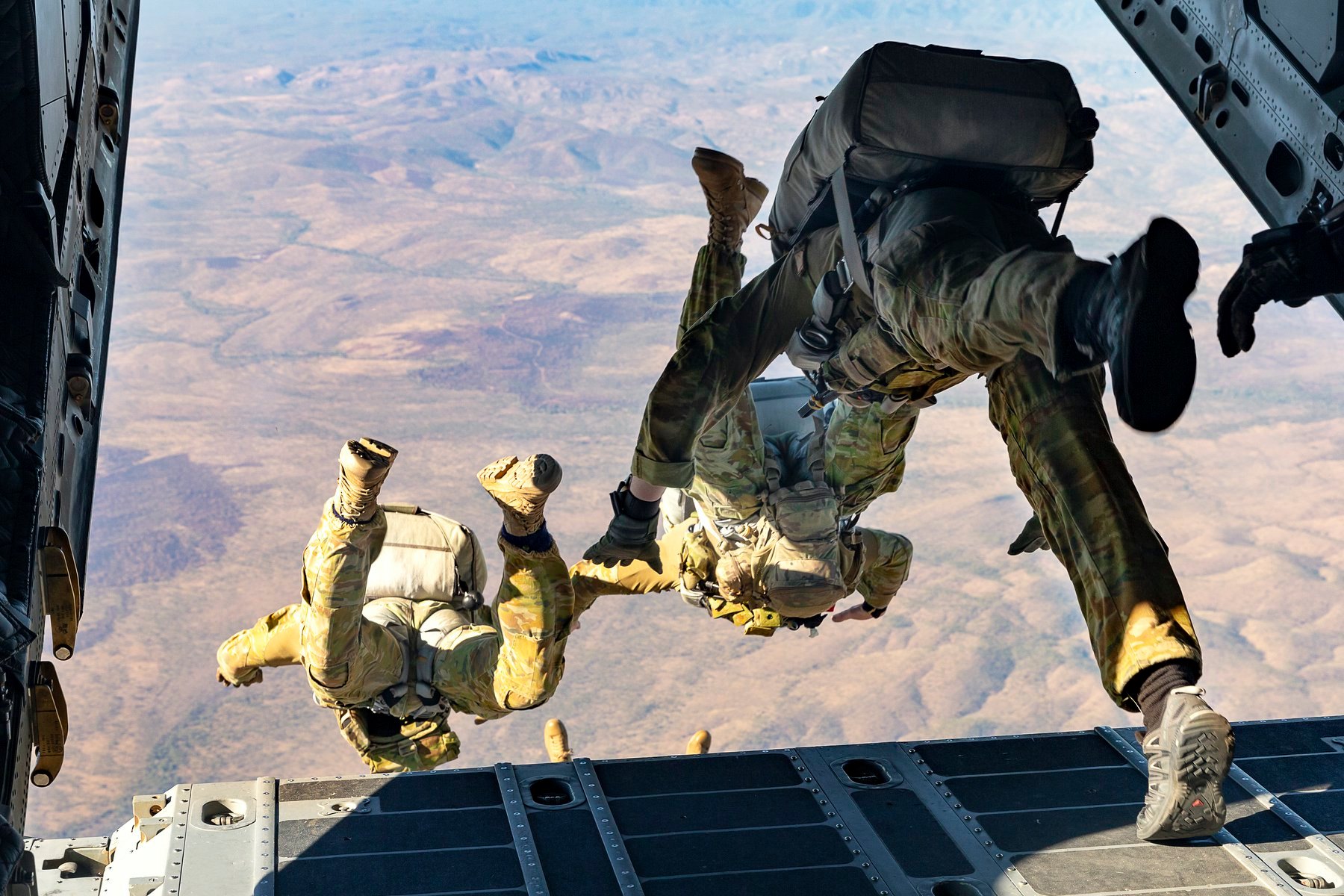
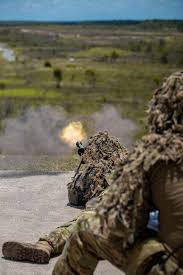
Direct fire, indirect fire, breaching, anti-armour. Every one of these events generates the overpressure signatures Vigil works on.
Blast remains the primary focus. Parachuting, combatives and small-boat work also contribute to the cumulative load, and they belong in the same conversation.
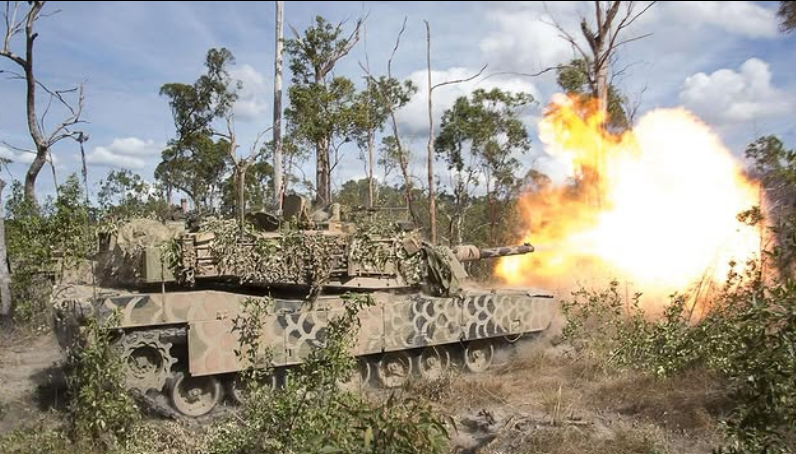
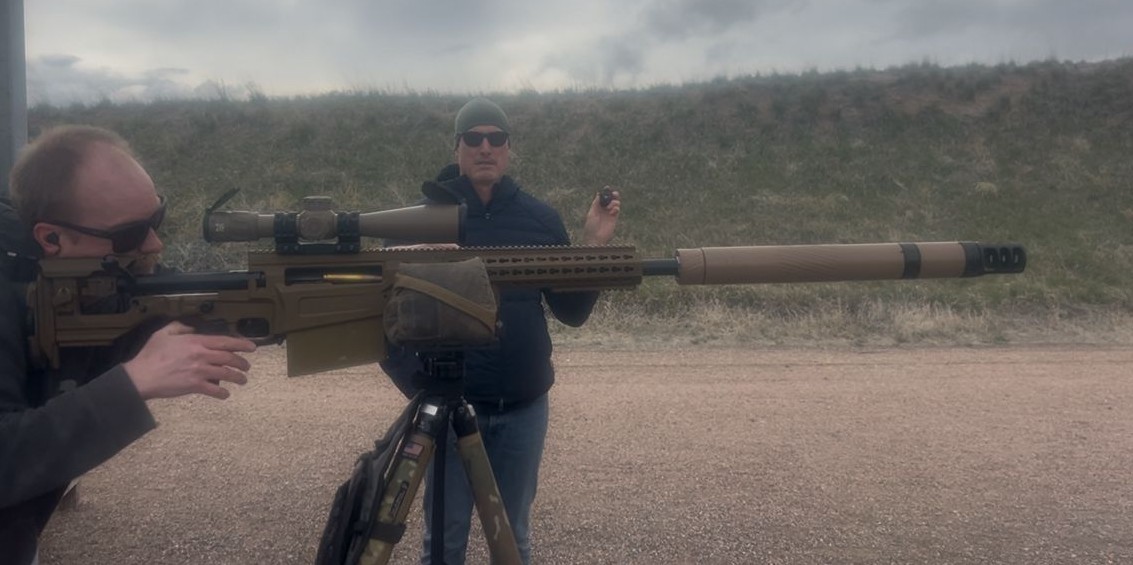
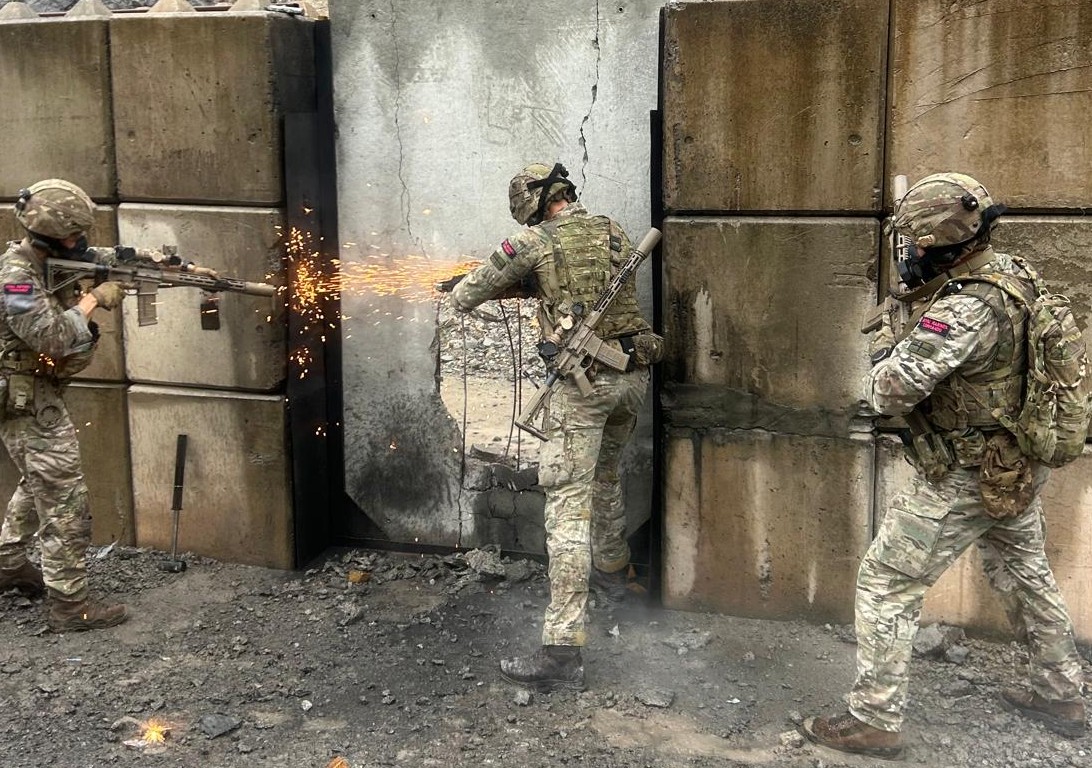
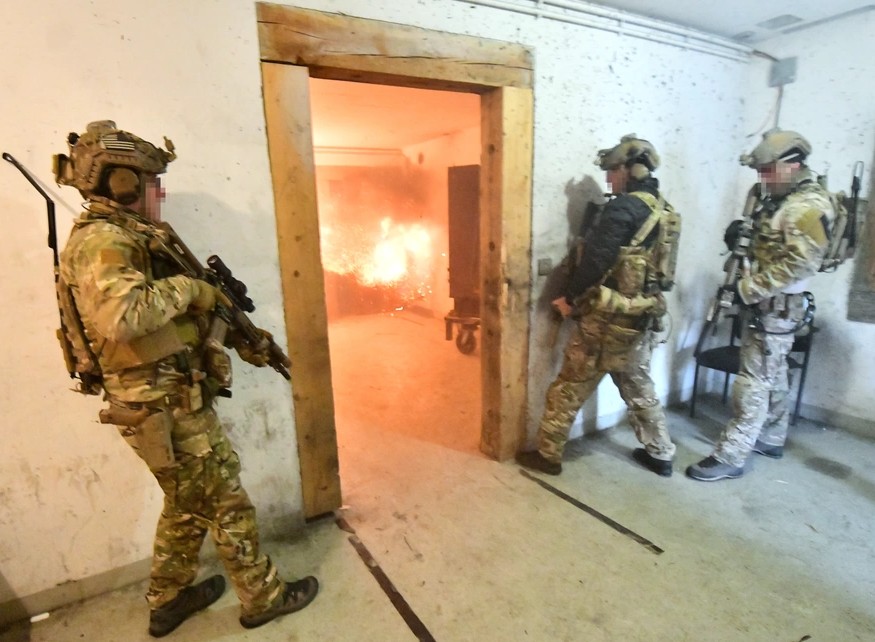
Direct, with no commercial strings.
Different audiences come to Vigil for different reasons. The lanes below are an honest map of what to expect, and what Vigil cannot do — before you reach out.
If you are dealing with cumulative blast exposure, suspected BiTBI, or a system that is not making sense, Vigil can connect you to the right clinician, the right researcher, or the right peer. No fees. No referrals with commercial strings.
Partners, parents and adult children sit inside this problem. There is a dedicated entry point that explains what you might be seeing, what is and is not known, and how to get help.
For Families →Translation between research, warfighters and policy. Direct access to allied programs and forums. Honest framing of what the evidence supports and what it does not.
Use the form below, or contact directly via the channels on the right. All messages reach the same inbox.
Spotted a broken link or something that looks wrong? That is capacity, not intent. Tell us anyway.
- Emailinfo@vigilaustralia.com.au
- Instagram@vigil_australia
- LinkedInVigil Australia
- Medium@Vigil_Australia
- Websitevigilaustralia.com.au
Read Vigil on Medium
Long-form pieces on blast overpressure, brain injury and the people carrying the weight.
Follow Vigil on LinkedIn
Briefings, signal-boosts and updates for clinicians, policy, Defence and DVA.
Follow Vigil on Instagram
Field notes, imagery and short signals for warfighters, veterans and families.